Le colibri qui dit frelalah

Where would I be if it weren't for the birds and the bees

Reflecting on Joanna Lake

Creating Connections

I thoroughly enjoyed our presentation today by the bubble, passionate and knowledgable local teacher! In this blog post I will share the tidbits I found super practical and neat!
The main goal of the classroom is to build community and respectful, reciprocal relationships. Checking in with your students can be very empowering.


ATTENDANCE CAN BE DONE DIFFERENTLY 

Tara wood: mood scales
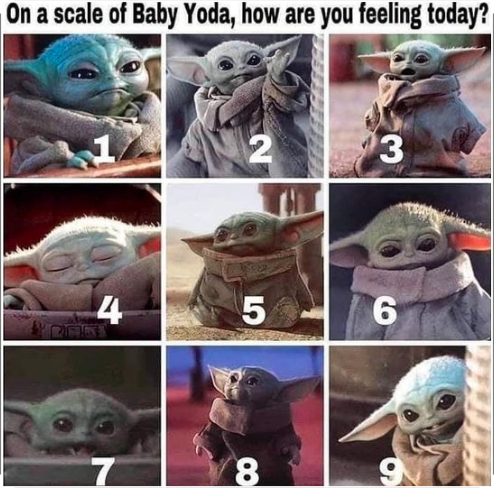

Taking attendance with numbers – allows for verbal and non-verbal learners.
Ask a question and students move their magnets or write their names on the board!
Mood Scales can also be linked to the curriculum!
Give students opportunities to feel in control of their surroundings. 
Joanna talked about the start of the school year when she lets the students design the room layout, chose what is important to hang on the walls.
Allow students to design the bulletin board. 
Allow yourself to step back and give students control. 

“The more I step back, the more I am amazed”

Joanna Lake


Board Notes = give students time to connect 
Routines = predictability
Allow students to know what to expect
Supporting visual learners with visual schedules. They are crucial, and it’s not banal to go over it in the morning.

First, Then – help students focus on what’s important right now. 

Survey students at the beginning of the year!

“What type of learning looks best for you? How do you like to sit in class? Where do you work best? How do you work best?”

When you find what you have been looking for but you weren’t even aware you were missing it: MIND BLOWN
Relaxing music timers
PRO TIP: start the timer when students are settled in


Help students get to know you!
Prepare pictures of oneself to introduce to the classroom!
Pictures of you at their age, pictures of your favourite things, places, foods


ASSESSMENT AS LEARNING

The power of self-assessment,
prompts for feedback, and time for reflection.
Anchor charts!
don’t leave it on the computer, bring the criteria to life! 

Co-creating rubrics is possible with students from Kindergarten to grade 12!
1. Set learning intention
2. brainwave criteria as a whole class
3. Model what you believe to be “emerging/developing/proficient” exemplars. Provide students with an opportunity to reflect and give feedback
4. Class creation of a final rubric
5. Students use this criterion to self-assess, peer review and teacher assess. 



“What did you notice about this video”
“What is my stretch, what is my strength?”
Talk literal with the students, speak to them about what is in the curriculum…

FLIP GRID

https://info.flipgrid.com/Writing

WRITING
Activity: The Sandwich
Using a mentor text, teach kids to write properly while giving them a solid background and support in their writing development. 
Opportunity for creative and fun assignments! 
Daily writing and personal reflections
Informational writing – light – thinking about structure
Research and informational writing with more structure


All these nuggets of information are really exciting to ponder while thinking about having a whole classroom of young learners looking at you with their beady eyes.

squares with smiley faces on them
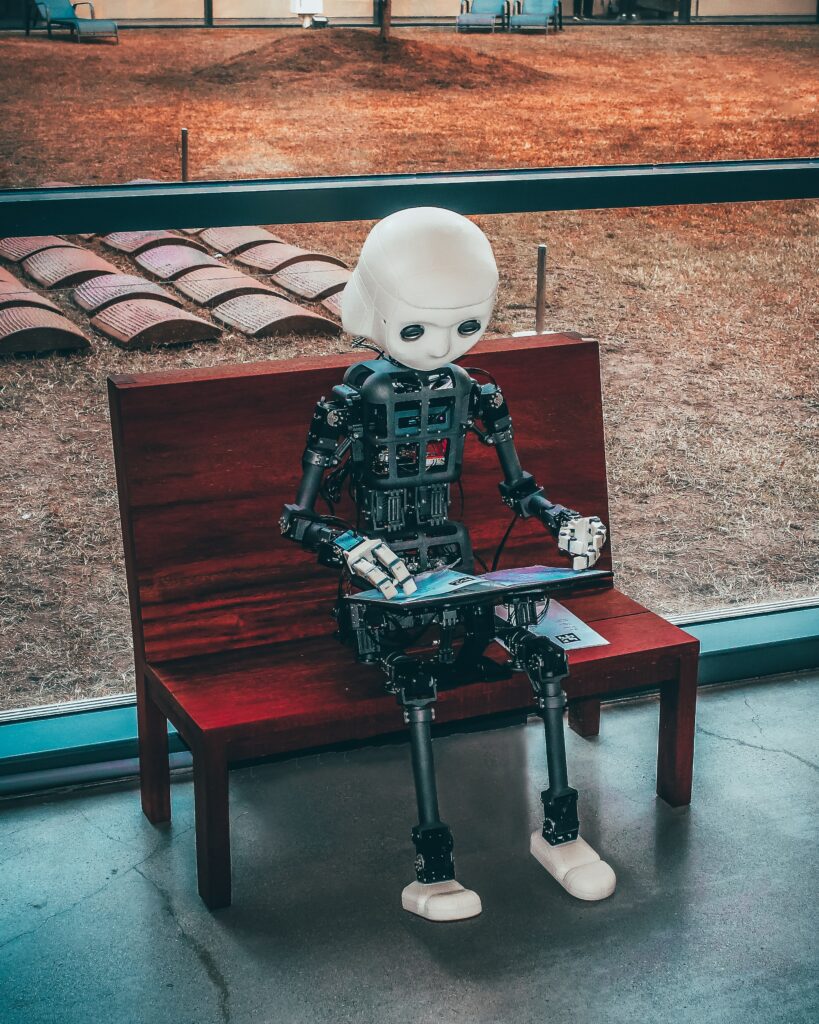
Photo by Shubham Dhage on Unsplash

Conversing with Bot

Conversations with a Robot

While I was thinking about my free inquiry, recognizing I may be feeling at my ends roll with the subject I chose, I was thinking about the end goal. How can we use technology to support our inquiries? Therefore, I thought about how amazing it would be to practice these conversation skills acquired through research and performance with something low-risk. I wonder, is there such a thing?

Looking on the web, a quick google search for “English conversation practice with robot” rings up 6,510,000 hits! Upon closer look, I think I am fooled because most bots proposed are geared more towards individuals who are learning a language.
Regardless, while this is a little beside my needs, I thought it would be interesting to take a peak!

Okay this website gives you a list of 5 bots…. but they don’t look so great.

This robot, named Sandi will actually give you a grade for the quality of your english!

Tokport promotes a free robot inside your chat messengers…. but when you start for free they often include fees later on… oh fees, where are you!?

Andy, the google app!

Herobot, “Learn English without any judgement with a Robot to talk to” !

So there you have it, folks, a list of robots if you wanted to learn to speak English. If you want to learn any language, I trust there’s a bot out there for you!

Networking in community

Preparing for Networking

‱ [ no obj. ] (often as noun networking) interact with other people to exchange information and develop contacts, especially to further one’s career: the skills of networking, bargaining, and negotiation.

Dictionary

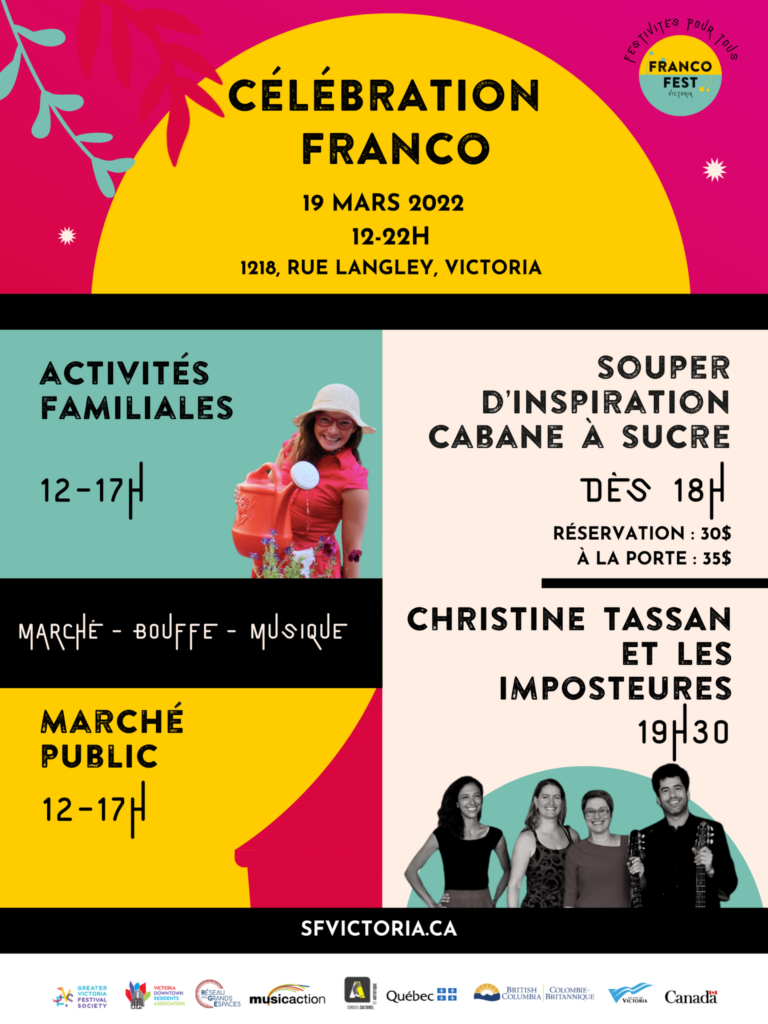
Okay, so I mentioned I had a fear around talking with other people, particularly strangers. I will also mention that networking is a word I have heard of multiple times in my post-secondary career, but it is rare that I am in an environment where such is the case. This weekend I will be taking the ferry and participating at the French Festival of Maillardville! Before I bombard this post with their promotional flyers, let us get down to the tips and tricks that I have curated from my google search!

It’s not what you know, it’s who you know…

My father

My father always stressed to me the importance of building relationships with those around you, near and far. While you are travelling or waiting in the grocery line. It is important to remain open to the opportunities and possibilities of networking to create partnerships. This is especially important in the community when working for non-profit organizations or community centers.
We are most familiar with the cause networking at a social event, where everyone hands out their personalized business cards in an effort to “get the name out there”. I was interested to see a specific branch of networking, but for community development!

I liked this blog which does an overview of the what and why of networking!

Kangan Institute presents its readers with a list!

  1. Meet people through other people
  2. Leverage social media
  3. Don’t ask for a job
  4. Use your resume as a tool for advice
  5. Don’t take up too much time
  6. Let the other person speak
  7. Present a success story
  8. Ask for suggetsoins on how to expland your network
  9. Find a reason to follow up
  10. Always remember to say thank you
  11. Online presence (this one kind of bothers me, I don’t think it should change anything!)

Visible Network Labs provides us with another list, this one geared more toward networking with community partners:

  1. Reconsider if using a “more is better” strategy
  2. Budget your relationships to reach your goals
  3. Build holes in your network (structural and intentional gaps between partners)
  4. Give each partner a specific role to play
  5. Consider all the kinds of value a partner can provide
  6. More diversity leads to more opportunities
  7. Put in the investment needed to build
This is all so fascinating, I look forward to the integration of these tips… Will they ever stick?

Reflecting on Inquiry P.2

RADIOTALK

In the end, the interviewee was someone that I knew so my level of stress immediately came down to a low nothing!
We talked about the french community and my vision of its future.

I was really thankful to have gone through a couple of pointers from my last blog post, notably the tip on preparing speaking points, not writing down answers to the questions! This did enable my responses to sound more natural,  less scripted. This actually helped me to feel like I had more control, for I was prepared for a multitude of different questions! Bring it on!

As I reflect on my interview right now, staring outside the window, there’s an eagle flying overhead, a hummingbird dancing around, and a falcon. I think my ancestors are just as proud as I am!

Teaching in the year 2050

Schools in the year 2050

I see two possibilities for schools 30 years from now... 
Students will either be eating kale chips 
or implanted with chips 

With the rapid growth, performance and use of artificial intelligence (AI), there is no more need for teachers! Students will receive their knowledge through chips implanted in the back of their skulls, containing all the information needed in order to be a successful member of society!
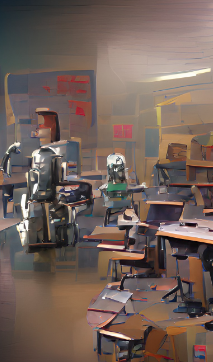
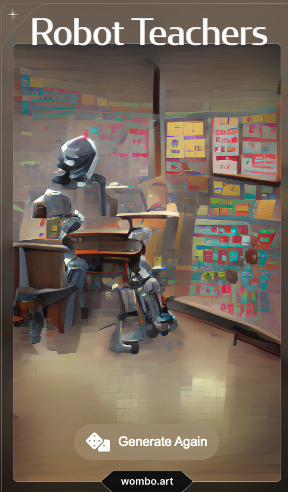
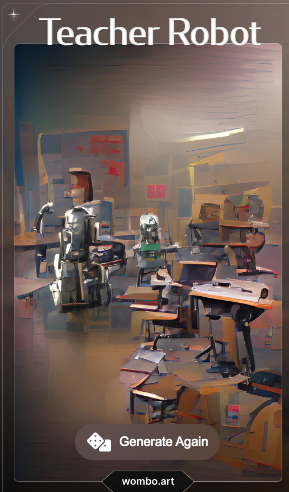
Robots are responsible for the supervision of students and are stationed in classrooms to assure safety, orderly conduct and work performance. The school would be divided into two separate wings and areas of the school, for the young students in elementary and older students are considered grade 7-12. While it may appear like they have more freedom, there are more robots keeping an incognito eye on them. There are no “homeroom” classrooms, classes have different subject areas and proposed projects over the seasons. These classrooms are always open for students to conduct the work at their desired pace. 

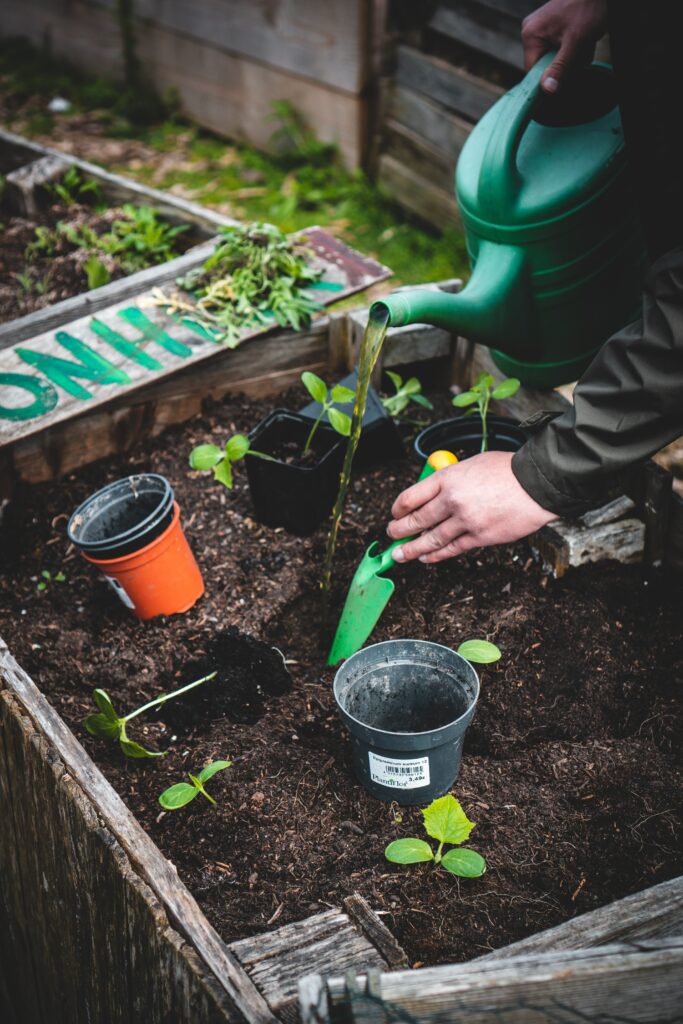
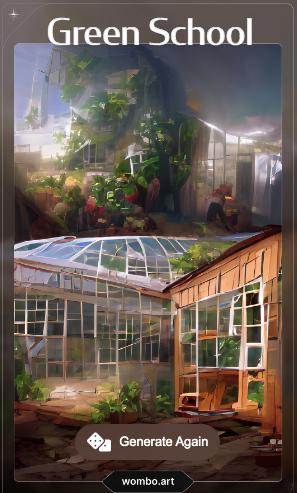
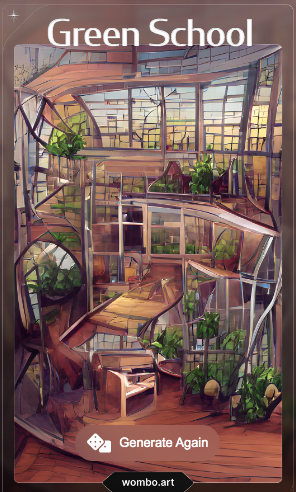
My second vision for schools in 2050 has a theme of Return to the Wild. These classrooms would be close to nature by their physical proximity along with their natural building design. These schools would have a lot of natural light thanks to the presence of big windows, everywhere. There would be moving walls, allowing students and teachers flexibility in their workspace, depending on what is needed at the time. These schools emphasize and prioritize students’ basic needs, in and outside of the classroom, whether it be physical, emotional, mental or spiritual.  There would be an enormous basket of resources to support a diversity of learners. These locally and sustainability-made items include fidget chairs, stools, and seating balls to enable flexible seating. Students will also be supported with the possibility of visiting sensory rooms and utilizing various tools. But best of all, based on government request, this type of school would be coupled with greenhouses everywhere! A Strong emphasis of these schools is teaching the future generations how to grow from the land holistically and appreciate the produce that comes from our labour. With a curriculum based around growing our own food, preparing and consuming the food, there is a positive outcome where students are learning how to take care of the land and themselves.

French Immersion Café

French Immersion Charcuterie Board

I didn’t ask for this. But other members of my cohort did, and gosh golly I am sure glad they did! What I thought was going to be a casual conversation around our curiosities of the french immersion program, turned into a delightful discussion around our experiences and inquiries, complemented with a delicious spread of cheese, crackers, fruit and chocolate. (I was sad I did not have any picture evidence, but its probably best for you readers)

I had forgotten paper, I had my pens. I felt like a dingus at the table, quickly jotting down notes on the notes app on my phone, oh the dread! Therefore, what I present to you in this blog, is a compilation of the resources and little nuggets Danica shared with us curious, french immersion folks.


How can we enable students to feel this burst of excitement when learning in a french-immersion context?!

One main consideration we all had was that French has to be lived, it cannot only be taught. This means that culture has to be present in the classroom, it has to be represented in the content that one is teaching. I recognize my privilege in coming from a francophone family as I grew up in a predominantly french environment, even if we are a linguistic minority living in an anglophone environment. The language comes naturally to me, and I acknowledge that this is not the case for everyone. Danica proposed teacher candidates (TC) a few methods of immersing themselves in the language. My favourite, and a tip from her father, is to read to yourself aloud, in french. Heck yes, I concur.

  • Daily five in french from TPT
  • Calendars arent really worth it in the classroom
  • Time for theatre is so crucial in your centers
  • Paul et Suzanne – Amazing series for teaching litterature, they was around when I was in kindergarten and I still see it in classrooms! Legit!
  • Six Cedars – It is a good idea to teach and learn about the animals before trying to incorporate their symbolism with respect to curricular competencies
  • FLO Franco – A french artist that Danica really enjoys!
  • Shauit – “Shauit is probably the only singer-songwriter to ingeniously mix reggae, dancehall and soul with Innu-aimun, his native language. ” Another Danica recommended artist!
  • Dr. Deborah MacNamara- What’s a kids best chance
  • Word Reference is your go to for translating
  • Create systems that are independent!!!!!!!

Teaching to CyberSpace

ONLINE LEARNING

“We often see what is possible by being forced to do something”

Paraphrased by Micheal, with respect to online learning

When I was in highschool, there were certain specialty courses that were offered online through a provincial online teaching department: L’École Victuelle. I remember taking a biology course with them because it was not offered at my school (not enough student interest or lack of a teacher? I cant remember
). I was not about to take chemistry and I did not want a free block either (super weird, go figure)
I appreciated the time to reflect on the pros and cons of online learning, and hearing the perspective of my peers. It can be easy to attach ourselves to the negative aspects, but this has been a roller-coaster that certainly has us feeling all the emotions. 
When it comes to accessibility, it is two fold. It can create enhancements to the learning experience, or create limitations. There is a glimpse into private spaces that could be deemed as inappropriate. We have families and individuals who are not familiar with today’s technology, or do not have devices. 

I really enjoyed the 5Rs for indigenizing online learning!
I found a case study online and a short Ted Talk!

  • RELATIONSHIP
    • RESPECT
      • RELEVANCE
        • RESPONSIBILITY
          • RECIPROCITY

Who is in control here?
As I reflect and ponder this metaverse and various classroom styles…
I wonder, is there a future where classrooms are hybrid?
Can that be possible?

Laptop with join us online written on the screen
Photo by Samantha Borges on Unsplash

Reflecting on Frameworks

Learning Design Models

Techno models writen on paper

The first time I understood what this meant was during my permaculture course. They emphasized that it is not a prescription, but more like guidelines that one can follow for best practices.

I do appreciate having a framework to guide my reasoning and future course of action with respect to student teachings. These are especially crucial when it comes to education and thinking about how we can guide learners down the path of sound knowledge and critical thinking.

SAMR

Created by Dr. Ruben Puentedura
How do we integrate technology in the classroom?
Dr proposes several ways :
– Substitution
– Augmentation
– Modification
– Redefinition

Jo Harris presents this model with further consideration:
Blooms Taxonomy!

TPACK

Loved the joke, “this is not a famous rapper!”
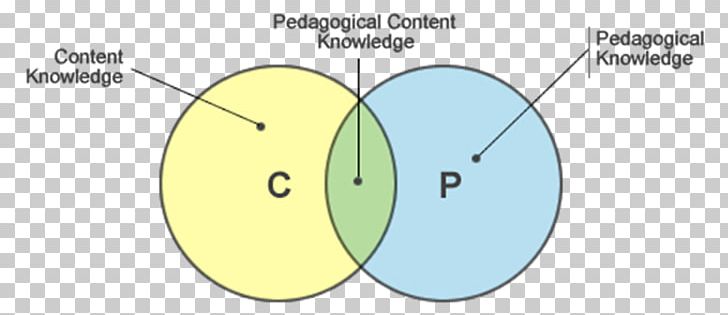
The integration of Technological, Pedagogical And Content Knowledge
“The knowledge you have in teaching concepts and skills in your subject area AND the technology that is used to facilitate meaningful learning”
This is about creating self-confidence in our knowledge and practice!

IMGBIN.com
All that we are missing is the T !

With respect to what I am aware of, and what I want students to be aware of, how can we authentically use technology as a means to get students to comprehend and explore the learning content in various subjects!?!

I feel very fortunate with my experience substituting in the francophone district. As a linguistic minority, there are special privileges, and this includes a device for EVERY student, from kindergarten to grade 12.
I feel like there is an acceptance in the older grades to “often” be on their computers, working on various tasks, assignments and researching for projects.
But when we are working with the younger grades (grade 7 and under I’d say) I feel like teachers are more mindful of how much screen time students get in a day.

Most of the course content will get presented without technology. But perhaps a students’ final project on a unit might incorporate some technological component, or there will be a technology station set up during center times.

I have seen teachers in grade 1 going over the various functions of Scratch with their students.

I have seen teachers in grade 4 using scratch to demonstrate student understanding of residential schools and their impacts. (Yes, assessment!)

I have seen teachers in grade 5 allowing students to take pictures of their work to continually supplement their Freshgrade, if the student desired so.

Technology has many uses in the classroom. As teachers, it is crucial that we model good technological behaviour, from the physical use of the device to staying socially aware of our surroundings on the net and in the shared space, along with recognizing the power that can behold a user.

Students are no longer tricked into playing educational games. They know so.

As an educator, it is important to stress the privilege of having these devices, and how they are sussed as tools for learning in the classroom. But I get it, I was there, as a young learner, thinking I was so sneaky playing games while the teacher walks around the classroom helping other students.

Again, how can I encourage students to not turn into zombies, or worse… ?

Photo by Andrea De Santis on Unsplash

Reflection on Inquiry P.1

Reflecting on
SKILLS ACQUIRED

Meditating on conversations and an interview!

As an active member of the francophone community, I have had several opportunities to converse with strangers in an informal, casual setting! Perfect for low stakes tĂȘte-Ă -tĂȘte…
Did I win the Game??
Unclear, but I definitely feel like I levelled up!

The first instance was Le Coquetal, 5 Ă  7 de la sfv
https://www.instagram.com/stories/highlights/18158408620084640/

I had to keep reminding myself – ask questions!!
As president, I did feel a need to play the role of hostess.
This included greeting members as they came in, welcoming new faces to sit down with one another and have a chat!
For me, the difficult part was learning to be okay with small talk

This is fine, this is why you are here, we are just playing a game

I had drawn a little question mark on my hand in an effort the remind myself to- ask questions!
For this, you definitely have to stay on your toes and remain mentally engaged with what the other person is saying! It was also a great practice for staying in the present moment, for when you are conscious of playing the game, you most absolutely have to remain in the here and now
In the end, I could not say who won. I do not think I lost though…
I think the most important factor for me was my level of comfort coming into such an activity! OMC, is this growth? 

Radio Interview

Radio Talk

Well, it happened.
I had a feeling this was coming in hot right around the corner.
I was asked to give an interview in the context of the francophone festival the Société Francophone de Victoria is hosting in two weeks!! YéYé!

description of event
Made by Catherine LefÚbvre à La Société Francophone de Victoria

With this fire under my seat, I am able to carry on this next part of my inquiry, searching the depths of the interwebs for some glimpses of comfort, how-tos and easy-to-follow guidelines.

As I first search for “the art of interview” , and I was inundated with multiple results surrounding how to “nail the interview to get the job you want!”
What a concrete example to show you the importance of being explicit and as precise as possible when researching this vast webspace,and also being discerning with the results you check out!

With a few alterations to my question and peaking down a couple of rabbit holes, I arrived at a few sites of interest. Below is a list of pertinent pointers and recommendations as I prepare to give the best interview of my waking life!

I remember giving several interviews as a young child, we are so natural and close to our truth, we didn’t hesitate, judge nor second guess ourselves.
I strive to return to this state of affairs

TIPS AND TRICKS

  • Avoid sounding like a robot by not preparing direct answers to the questions!
  • But do Prepare talking points (About the topic, the organization your presenting, the event you’re sponsoring)
  • Start strong! Radio interviews are often short, and people listening to the radio are often multitasking. Get out that belly voice and grab their attention with a great hook!
  • Don’t give one-word replies! Answer questions in full and expand on what you mean, keep it clear. 
  • Speak with energy and charisma, showcase your passion and enthusiasm around the topic!
  • Be comfortable and be yourself! 
  • Smile on the radio (the listeners can hear it!)
  • Know the target audience for the radio station 
  • Do prepare a closing statement. 
  • Do not fret over small mistakes! The best thing to do is to carry on! 
  • Ask questions before the interview to clarify the format, timing, and any other inquiries. 
  • Be prepared with a goal in mind, is there a desired outcome? 
  • Don’t forget to have yourself a glass of water!
« Older posts