Where would I be if it weren't for the birds and the bees

Tag: assessment

Reflecting on Joanna Lake

Creating Connections

I thoroughly enjoyed our presentation today by the bubble, passionate and knowledgable local teacher! In this blog post I will share the tidbits I found super practical and neat!
The main goal of the classroom is to build community and respectful, reciprocal relationships. Checking in with your students can be very empowering.


ATTENDANCE CAN BE DONE DIFFERENTLY 

Tara wood: mood scales
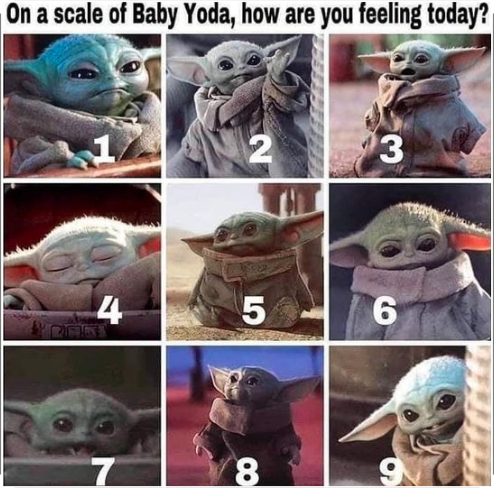

Taking attendance with numbers – allows for verbal and non-verbal learners.
Ask a question and students move their magnets or write their names on the board!
Mood Scales can also be linked to the curriculum!
Give students opportunities to feel in control of their surroundings. 
Joanna talked about the start of the school year when she lets the students design the room layout, chose what is important to hang on the walls.
Allow students to design the bulletin board. 
Allow yourself to step back and give students control. 

“The more I step back, the more I am amazed”

Joanna Lake


Board Notes = give students time to connect 
Routines = predictability
Allow students to know what to expect
Supporting visual learners with visual schedules. They are crucial, and it’s not banal to go over it in the morning.

First, Then – help students focus on what’s important right now. 

Survey students at the beginning of the year!

“What type of learning looks best for you? How do you like to sit in class? Where do you work best? How do you work best?”

When you find what you have been looking for but you weren’t even aware you were missing it: MIND BLOWN
Relaxing music timers
PRO TIP: start the timer when students are settled in


Help students get to know you!
Prepare pictures of oneself to introduce to the classroom!
Pictures of you at their age, pictures of your favourite things, places, foods


ASSESSMENT AS LEARNING

The power of self-assessment,
prompts for feedback, and time for reflection.
Anchor charts!
don’t leave it on the computer, bring the criteria to life! 

Co-creating rubrics is possible with students from Kindergarten to grade 12!
1. Set learning intention
2. brainwave criteria as a whole class
3. Model what you believe to be “emerging/developing/proficient” exemplars. Provide students with an opportunity to reflect and give feedback
4. Class creation of a final rubric
5. Students use this criterion to self-assess, peer review and teacher assess. 



“What did you notice about this video”
“What is my stretch, what is my strength?”
Talk literal with the students, speak to them about what is in the curriculum…

FLIP GRID

https://info.flipgrid.com/Writing

WRITING
Activity: The Sandwich
Using a mentor text, teach kids to write properly while giving them a solid background and support in their writing development. 
Opportunity for creative and fun assignments! 
Daily writing and personal reflections
Informational writing – light – thinking about structure
Research and informational writing with more structure


All these nuggets of information are really exciting to ponder while thinking about having a whole classroom of young learners looking at you with their beady eyes.

squares with smiley faces on them
Photo by Shubham Dhage on Unsplash

Reflecting on Frameworks

Learning Design Models

Techno models writen on paper

The first time I understood what this meant was during my permaculture course. They emphasized that it is not a prescription, but more like guidelines that one can follow for best practices.

I do appreciate having a framework to guide my reasoning and future course of action with respect to student teachings. These are especially crucial when it comes to education and thinking about how we can guide learners down the path of sound knowledge and critical thinking.

SAMR

Created by Dr. Ruben Puentedura
How do we integrate technology in the classroom?
Dr proposes several ways :
– Substitution
– Augmentation
– Modification
– Redefinition

Jo Harris presents this model with further consideration:
Blooms Taxonomy!

TPACK

Loved the joke, “this is not a famous rapper!”
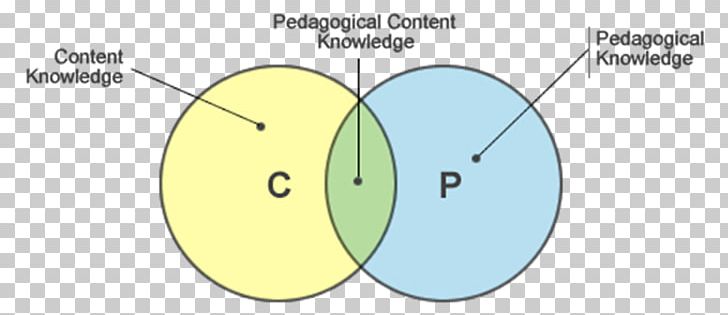
The integration of Technological, Pedagogical And Content Knowledge
“The knowledge you have in teaching concepts and skills in your subject area AND the technology that is used to facilitate meaningful learning”
This is about creating self-confidence in our knowledge and practice!

IMGBIN.com
All that we are missing is the T !

With respect to what I am aware of, and what I want students to be aware of, how can we authentically use technology as a means to get students to comprehend and explore the learning content in various subjects!?!

I feel very fortunate with my experience substituting in the francophone district. As a linguistic minority, there are special privileges, and this includes a device for EVERY student, from kindergarten to grade 12.
I feel like there is an acceptance in the older grades to “often” be on their computers, working on various tasks, assignments and researching for projects.
But when we are working with the younger grades (grade 7 and under I’d say) I feel like teachers are more mindful of how much screen time students get in a day.

Most of the course content will get presented without technology. But perhaps a students’ final project on a unit might incorporate some technological component, or there will be a technology station set up during center times.

I have seen teachers in grade 1 going over the various functions of Scratch with their students.

I have seen teachers in grade 4 using scratch to demonstrate student understanding of residential schools and their impacts. (Yes, assessment!)

I have seen teachers in grade 5 allowing students to take pictures of their work to continually supplement their Freshgrade, if the student desired so.

Technology has many uses in the classroom. As teachers, it is crucial that we model good technological behaviour, from the physical use of the device to staying socially aware of our surroundings on the net and in the shared space, along with recognizing the power that can behold a user.

Students are no longer tricked into playing educational games. They know so.

As an educator, it is important to stress the privilege of having these devices, and how they are sussed as tools for learning in the classroom. But I get it, I was there, as a young learner, thinking I was so sneaky playing games while the teacher walks around the classroom helping other students.

Again, how can I encourage students to not turn into zombies, or worse… ?

Photo by Andrea De Santis on Unsplash