Creating Connections
I thoroughly enjoyed our presentation today by the bubble, passionate and knowledgable local teacher! In this blog post I will share the tidbits I found super practical and neat!
The main goal of the classroom is to build community and respectful, reciprocal relationships. Checking in with your students can be very empowering.
ATTENDANCE CAN BE DONE DIFFERENTLY
Tara wood: mood scales
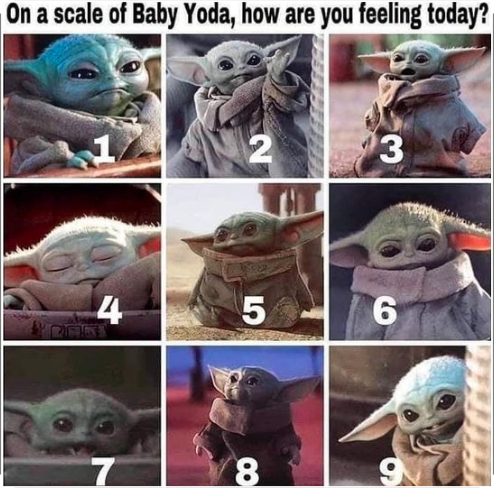
Taking attendance with numbers – allows for verbal and non-verbal learners.
Ask a question and students move their magnets or write their names on the board!
Mood Scales can also be linked to the curriculum!
Give students opportunities to feel in control of their surroundings.
Joanna talked about the start of the school year when she lets the students design the room layout, chose what is important to hang on the walls.
Allow students to design the bulletin board.
Allow yourself to step back and give students control.
“The more I step back, the more I am amazed”
Joanna Lake
Board Notes = give students time to connect
Routines = predictability
Allow students to know what to expect
Supporting visual learners with visual schedules. They are crucial, and it’s not banal to go over it in the morning.
First, Then – help students focus on what’s important right now.

Survey students at the beginning of the year!
“What type of learning looks best for you? How do you like to sit in class? Where do you work best? How do you work best?”
When you find what you have been looking for but you weren’t even aware you were missing it: MIND BLOWN
Relaxing music timers
PRO TIP: start the timer when students are settled in
Help students get to know you!
Prepare pictures of oneself to introduce to the classroom!
Pictures of you at their age, pictures of your favourite things, places, foods…
ASSESSMENT AS LEARNING
The power of self-assessment,
prompts for feedback, and time for reflection.
Anchor charts!
don’t leave it on the computer, bring the criteria to life!
Co-creating rubrics is possible with students from Kindergarten to grade 12!
1. Set learning intention
2. brainwave criteria as a whole class
3. Model what you believe to be “emerging/developing/proficient” exemplars. Provide students with an opportunity to reflect and give feedback
4. Class creation of a final rubric
5. Students use this criterion to self-assess, peer review and teacher assess.

“What did you notice about this video”
“What is my stretch, what is my strength?”
Talk literal with the students, speak to them about what is in the curriculum…
FLIP GRID
https://info.flipgrid.com/Writing
WRITING
Activity: The Sandwich
Using a mentor text, teach kids to write properly while giving them a solid background and support in their writing development.
Opportunity for creative and fun assignments!
Daily writing and personal reflections
Informational writing – light – thinking about structure
Research and informational writing with more structure
All these nuggets of information are really exciting to ponder while thinking about having a whole classroom of young learners looking at you with their beady eyes.