
Where would I be if it weren't for the birds and the bees

Tag: education

Reflecting on Joanna Lake

Creating Connections

I thoroughly enjoyed our presentation today by the bubble, passionate and knowledgable local teacher! In this blog post I will share the tidbits I found super practical and neat!
The main goal of the classroom is to build community and respectful, reciprocal relationships. Checking in with your students can be very empowering.


ATTENDANCE CAN BE DONE DIFFERENTLY 

Tara wood: mood scales
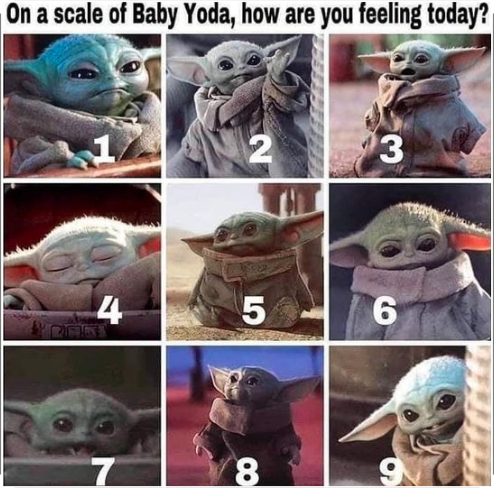

Taking attendance with numbers – allows for verbal and non-verbal learners.
Ask a question and students move their magnets or write their names on the board!
Mood Scales can also be linked to the curriculum!
Give students opportunities to feel in control of their surroundings. 
Joanna talked about the start of the school year when she lets the students design the room layout, chose what is important to hang on the walls.
Allow students to design the bulletin board. 
Allow yourself to step back and give students control. 

“The more I step back, the more I am amazed”

Joanna Lake


Board Notes = give students time to connect 
Routines = predictability
Allow students to know what to expect
Supporting visual learners with visual schedules. They are crucial, and it’s not banal to go over it in the morning.

First, Then – help students focus on what’s important right now. 
Survey students at the beginning of the year!

“What type of learning looks best for you? How do you like to sit in class? Where do you work best? How do you work best?”

When you find what you have been looking for but you weren’t even aware you were missing it: MIND BLOWN
Relaxing music timers
PRO TIP: start the timer when students are settled in


Help students get to know you!
Prepare pictures of oneself to introduce to the classroom!
Pictures of you at their age, pictures of your favourite things, places, foods


ASSESSMENT AS LEARNING

The power of self-assessment,
prompts for feedback, and time for reflection.
Anchor charts!
don’t leave it on the computer, bring the criteria to life! 

Co-creating rubrics is possible with students from Kindergarten to grade 12!
1. Set learning intention
2. brainwave criteria as a whole class
3. Model what you believe to be “emerging/developing/proficient” exemplars. Provide students with an opportunity to reflect and give feedback
4. Class creation of a final rubric
5. Students use this criterion to self-assess, peer review and teacher assess. 


“What did you notice about this video”
“What is my stretch, what is my strength?”
Talk literal with the students, speak to them about what is in the curriculum…

FLIP GRID

https://info.flipgrid.com/Writing

WRITING
Activity: The Sandwich
Using a mentor text, teach kids to write properly while giving them a solid background and support in their writing development. 
Opportunity for creative and fun assignments! 
Daily writing and personal reflections
Informational writing – light – thinking about structure
Research and informational writing with more structure


All these nuggets of information are really exciting to ponder while thinking about having a whole classroom of young learners looking at you with their beady eyes.


squares with smiley faces on them
Photo by Shubham Dhage on Unsplash

BC ED ACCESS

BC ED Access Society

I am a privileged white chick with full physical capabilities.

Friend

 I don’t want to be perceived as ignorant, but it can be easy to forget that some people struggle their way through every waking day.
Getting out of bed, taking a shower, ordering food, taking the bus, learning at school, performing at work, putting on a fresh pair of clothes

while these may seem like simple tasks, they can feel completely out of reach for certain individuals.

I thoroughly appreciated the presentation by Tracy Humphrey,
spokesperson for BC ED Access, an organization run by volunteers
dealing with human rights issues surrounding the process of advocacy to equally accessible education…

and here I am almost wide-mouthed wondering why is such
an important component of certain students’
accessibility to education, run solely by volunteers?
Shouldn’t this be part of a ministry department or something?

I have witnessed specialists come into the classroom with their clipboards and observe students.
 I have seen them come back with fancy stools, tools and objects, taking a flash minute to demonstrate to a student how to properly use these, rarely taking the time to discuss how it can benefit them as a learner in such a social environment


With that being said, I do have confidence in the psychoeducation specialists, whom I trust are doing the best they can with the resources appointed to them. I wish there were more of them and I wish they had greater powers.

More and more students are being designated, more and more students are in need of a designation. An increased number of students require specialized support to enable them to experience an enriching school atmosphere, one where they may show up as they are and follow the class flow.  More students are experiencing difficulties learning and coping in this social and dynamic world that never ceases to evolve, nor stops to amaze me.

Hand holding a bulb

Before I close this reflection there were a few words from Tracy’s presentation that stood out for me:

ABLEISM
I have been seeing this word increasingly on social media and the web. More people need to recognize the power and privilege they have, where they do not encounter barriers every day.
“Discrimination of and social prejudice against people with disabilities, based on the belief that typical abilities are supporter”
“Presumption that someone should be able to do”
“Rooted in the assumption that disabled people require fixing and defined people by their abilities, this is a neo-colonial assumption” 

BE PROACTIVE
As educators, we will be at the forefront of young children with disabilities, especially families and teachers navigating new circumstances as these traits come to light. I believe, as future educators, we will have to demonstrate flexibility through this telling time where there will be an increase in the diversity of needs, especially when it comes to accessibility to education and supporting resources.

ADVOCACY
Again, as future educators, we have to be ready to stand up for our students’ rights!