Schools in the year 2050
I see two possibilities for schools 30 years from now...
Students will either be eating kale chips
or implanted with chips

Photo by Zoe Schaeffer on Unsplash 
Photo by Brian Kostiuk on Unsplash 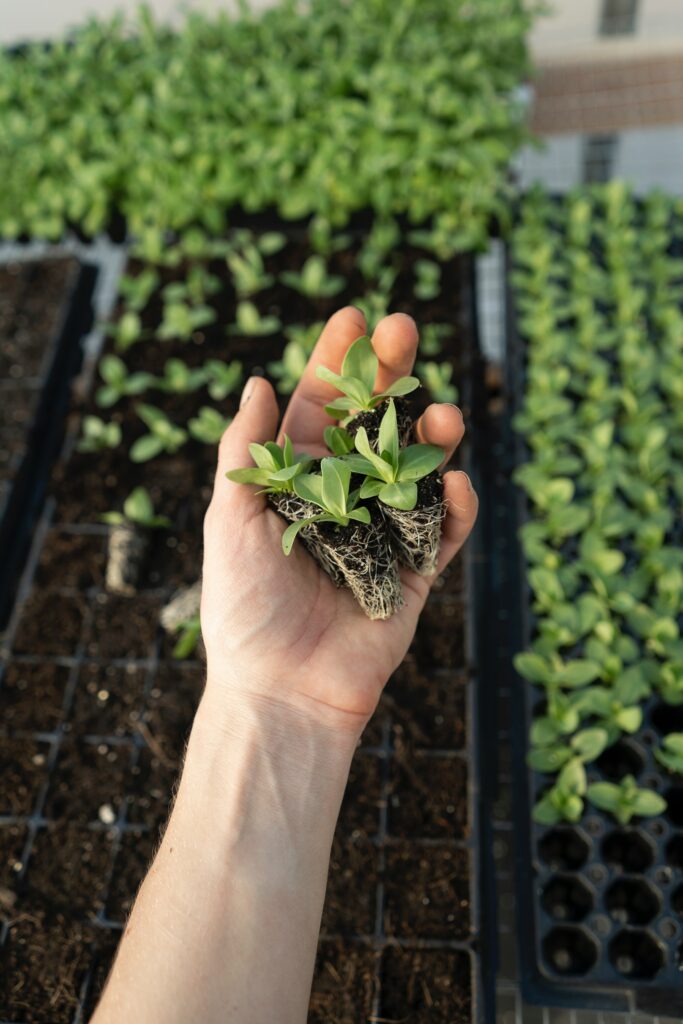
Photo by Zoe Schaeffer on Unsplash 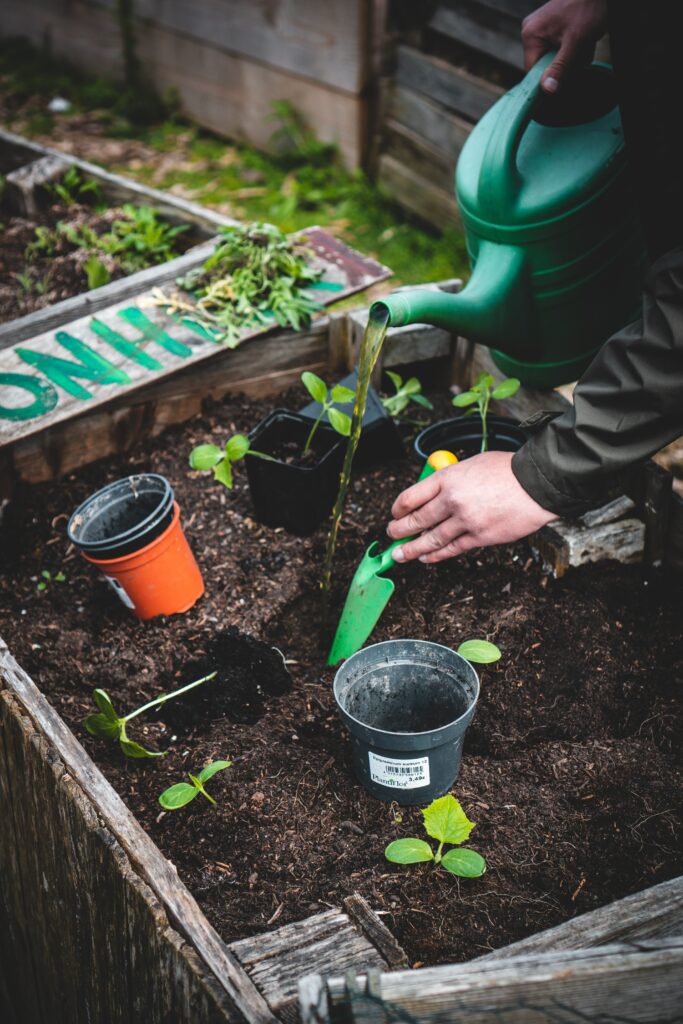
Photo by Jonathan Kemper on Unsplash
With the rapid growth, performance and use of artificial intelligence (AI), there is no more need for teachers! Students will receive their knowledge through chips implanted in the back of their skulls, containing all the information needed in order to be a successful member of society!
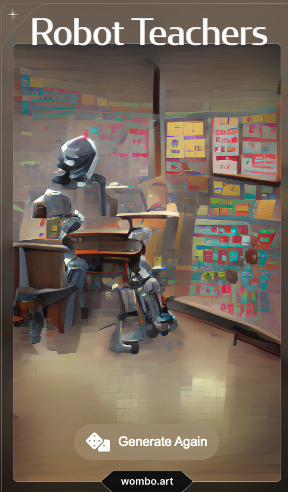
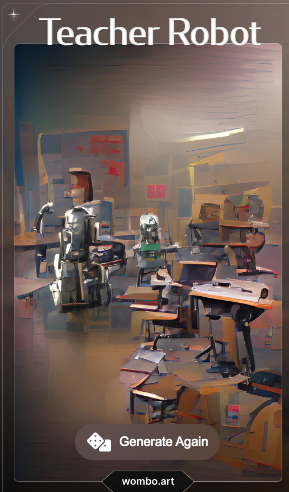
Robots are responsible for the supervision of students and are stationed in classrooms to assure safety, orderly conduct and work performance. The school would be divided into two separate wings and areas of the school, for the young students in elementary and older students are considered grade 7-12. While it may appear like they have more freedom, there are more robots keeping an incognito eye on them. There are no “homeroom” classrooms, classes have different subject areas and proposed projects over the seasons. These classrooms are always open for students to conduct the work at their desired pace.
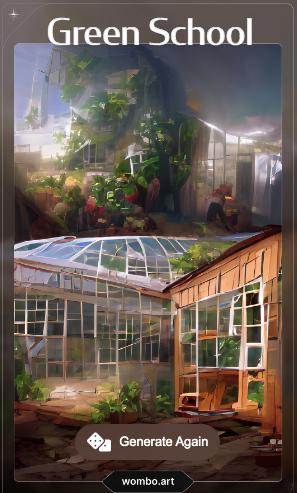
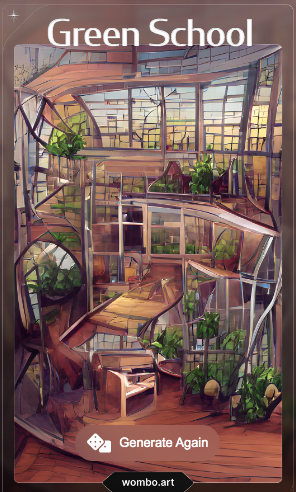
My second vision for schools in 2050 has a theme of Return to the Wild. These classrooms would be close to nature by their physical proximity along with their natural building design. These schools would have a lot of natural light thanks to the presence of big windows, everywhere. There would be moving walls, allowing students and teachers flexibility in their workspace, depending on what is needed at the time. These schools emphasize and prioritize students’ basic needs, in and outside of the classroom, whether it be physical, emotional, mental or spiritual. There would be an enormous basket of resources to support a diversity of learners. These locally and sustainability-made items include fidget chairs, stools, and seating balls to enable flexible seating. Students will also be supported with the possibility of visiting sensory rooms and utilizing various tools. But best of all, based on government request, this type of school would be coupled with greenhouses everywhere! A Strong emphasis of these schools is teaching the future generations how to grow from the land holistically and appreciate the produce that comes from our labour. With a curriculum based around growing our own food, preparing and consuming the food, there is a positive outcome where students are learning how to take care of the land and themselves.