In the end, the interviewee was someone that I knew so my level of stress immediately came down to a low nothing! We talked about the french community and my vision of its future.
I was really thankful to have gone through a couple of pointers from my last blog post, notably the tip on preparing speaking points, not writing down answers to the questions! This did enable my responses to sound more natural, less scripted. This actually helped me to feel like I had more control, for I was prepared for a multitude of different questions! Bring it on!
As I reflect on my interview right now, staring outside the window, there’s an eagle flying overhead, a hummingbird dancing around, and a falcon. I think my ancestors are just as proud as I am!
As a future educator, one of the comments I hear often is there are so many resources out there now, we spend more time sorting through them than actually searching for them… Searching and collecting is half the task, but the question remains, what do you do with them? Where do you keep this bounty of lesson ideas and alluring activities?
Personally, I am all over the place right now. It must be part of the process, for you must try things out in order to see what works best for you, including what doesn’t.
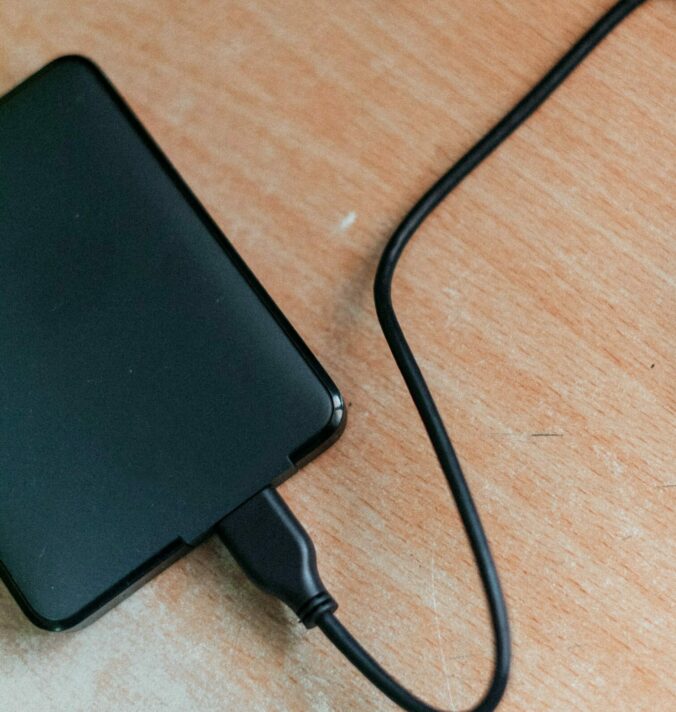
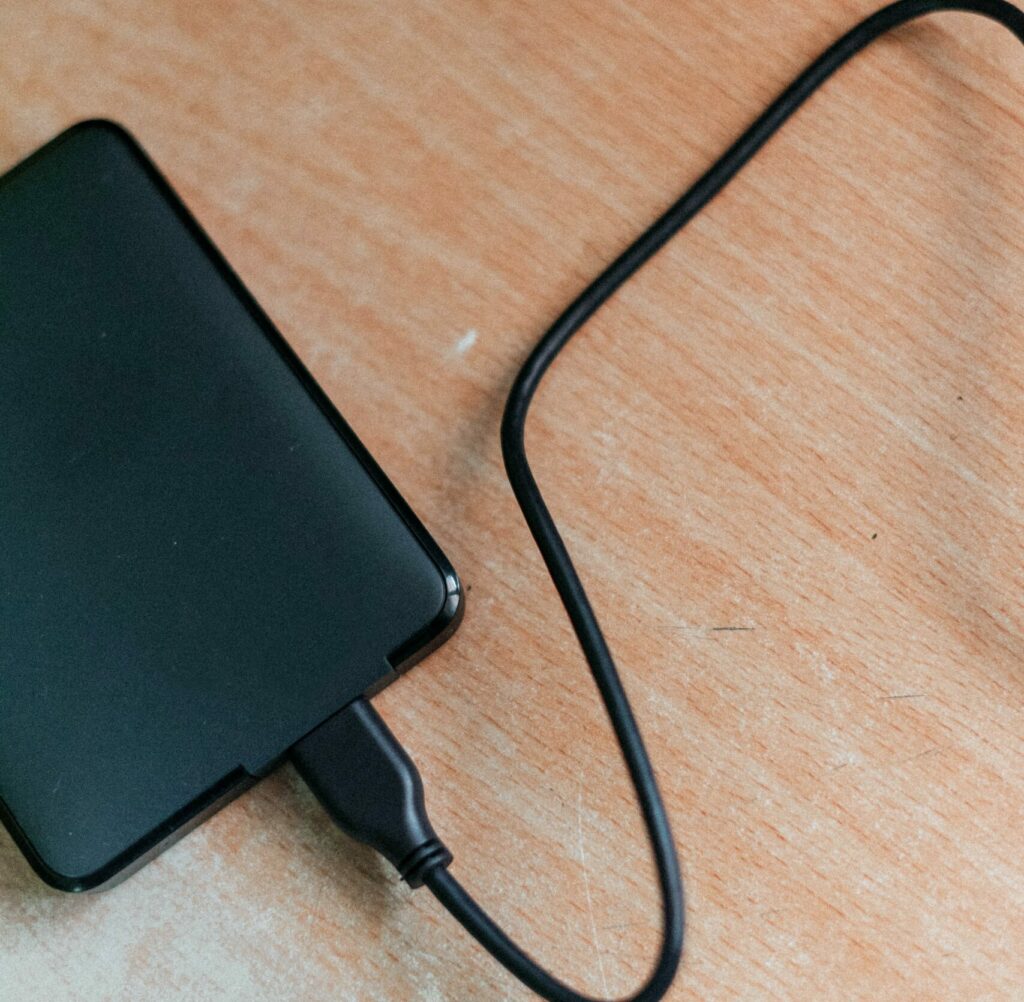
Halfway through university, my father purchased me an external hard drive, in an effort to remove data from my computer and help it “run a little smoother”.
PRO: It can contain a lot, 1 TB of information to be exact. That represents 1 000 gigabytes (GB) or 100 000 000 megabytes (MG). 250 000 photos, 250 movies or 500 hours of HD, 6.5 million documents pages….. Ya get it…
CON: Compared to a cloud, this is a physical piece that you would have to have with you in order to access your files.
WEBSITE This was the first time I was introduced to the concept of using a website to collect, hold and retrieve resources. Most websites are free and relatively easy to use and navigate. You could keep a website private, or public, depending on your preference and needs.
PRO: After set up, keeping a website up to date and uploading new resources as you find them should be straightforward. CON: You have to be careful with the format of your uploads, and be mindful of copyrights. You should only be sharing resources you find on creative commons, you have received explicit confirmation to use.
GOOGLE DRIVE Oh the cloud, anything you store on the drive can be retrieved anywhere with a stable internet connection, now that is powerful! Google is free and accessible in almost everywhere in the world!
PRO: No need to carry along a physical hard drive when it is all on the “cloud”, meaning you can always access your lesson ideas and resources from your computer. You can also make your documents available offline, meaning you won’t need an internet connection to access your information. CON: The storage offered by google drive is 15 GB (considerably less than an external hard drive)but it’s free. Like many online storage softwares, it’s free until a certain threshold, and then you have to pay a fee, based on your needs.
I see the power! and I see the utility of strategically choosing one program, one place, one device to store your various files, whether it be for your personal or professional means! I recommended you identify your needs, strengths, possible complications and try out a few of them! You never know what might give you an Ah-HA feeling.
ED CAMP
What an enriching experience it was to be blended with the other cohort and share topics of interest and expertise, with respect to education. I appreciated seeing friends taking on roles of leadership by sharing their knowledge and passions. In the teaching profession, there is an emphasis on collaboration and learning from one another!
Oh sweet, bitter-sweet technology. It has certainly come a long way, constantly evolving at an increasing speed ever since I was a child. This has inevitably changed how our society functions and how we interact with one another… for better or for worse, I will let you decide that for yourself.
Technology was created to make our lives easier, to make processes more efficient and connect the globe. When it works and the connections are solid, it can perform wonders that enable all walks of people to further their activities, business, inquiries… This flow of bandwidth, mega bites, and serotonin can be crucial in some cases. For business or for pleasure, whenever technology fails to function and operate as we desired, I am reminded that we are simply animals running around on a spinning rock.
Why is it that the students are so calm when you put them in front of a screen? Why are students are often more engaged in the material when it’s coming from a video. Why do they appear to listen more attentively?
Technology is here to stay. How can we educate the future citizens of this planet to regard their personal devices (that often get thrown in their faces) as a tool for their future development, to encourage curiosity and wonder?